How Whole-Home Surge Protection Helps During Illinois Summer Storms
Illinois summers can bring intense thunderstorms, lightning, strong winds, and utility interruptions. Even when a storm does not cause a full outage, changes in electrical voltage can reach a home through utility lines and place connected equipment at risk.
Installing whole-home surge protection for Buffalo Grove, Illinois summer storms gives homeowners a broader layer of defense than plug-in strips alone. A professionally installed device works at the electrical panel, where it can help reduce excess voltage before that energy travels through household circuits.
Why Summer Storms Create Electrical Risk
Lightning is the most dramatic cause of a surge, though it is only one possible source. A nearby strike can affect utility equipment, communication lines, or electrical wiring without directly hitting a house. The resulting voltage spike may enter the home quickly and reach multiple circuits.
Storm-related outages can also create risk when power returns. Utility switching and the sudden restoration of service may cause brief voltage changes. These brief events can still damage sensitive electronic components.
Modern homes contain more electronics than many homeowners realize. Televisions and computers are obvious examples, while refrigerators, washing machines, HVAC equipment, smart thermostats, and other appliances often include circuit boards as well. Damage to those controls can lead to expensive repairs.
How Whole-Home Surge Protection Works
A whole-home surge protector is typically connected near the main electrical panel. When incoming voltage rises beyond an acceptable level, the device redirects part of that excess energy away from the home’s circuits. This helps limit how much of the surge reaches outlets, appliances, and hardwired equipment.
Whole-home surge protection for Illinois summer storms does not create an absolute barrier against every electrical event. A powerful direct lightning strike can overwhelm many protective measures. However, a properly selected and installed device can greatly reduce exposure to common surges caused by nearby lightning, utility activity, and power restoration.
The installation must match the home’s panel, service size, grounding system, and electrical layout. A licensed technician can inspect those factors and choose equipment with the correct ratings. Connection length also matters because surge devices generally perform better with short, direct wiring.
Whole-Home Surge Protection for Illinois Summer Storms Protects More Than Electronics
Plug-in surge strips can be useful for certain devices, but their coverage is limited to the items connected to them. They do not protect hardwired systems, and lower-quality strips may provide little protection after absorbing several surges.
A panel-mounted device covers the home’s electrical system more broadly. That includes major appliances, lighting circuits, garage equipment, and systems that cannot be plugged into a portable strip. This wider coverage matters because many household devices rely on delicate electronic controls.
Surge protection may also help prevent cumulative damage. Small voltage spikes do not always cause immediate failure. Instead, repeated stress can weaken circuit boards and shorten equipment life over time. Homeowners may not connect a later malfunction with electrical events that occurred weeks or months earlier.
Why Grounding and Panel Condition Matter
A surge protector must have a reliable path for redirecting excess voltage. Proper grounding helps provide that path. If grounding connections are loose, outdated, or improperly installed, the protective device may not perform as intended.
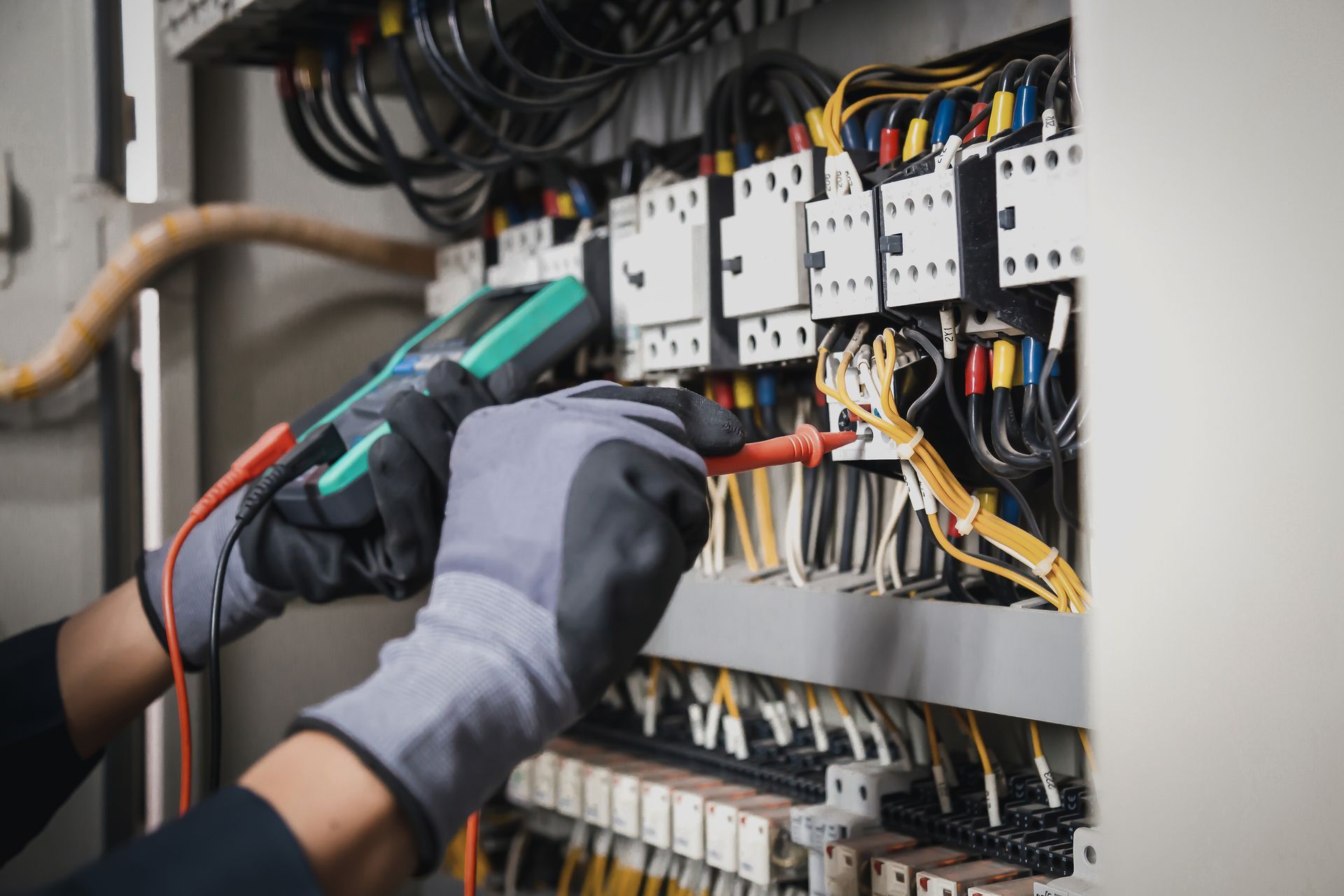
The condition of the electrical panel matters as well. Corrosion, damaged breakers, overcrowded wiring, or an aging panel can complicate installation and signal other safety concerns. A technician should evaluate the panel before adding whole-home surge protection for Illinois summer storms, especially in an older home or a property that has undergone major electrical upgrades.
An inspection can also reveal whether the home has adequate bonding between electrical and grounding components. Bonding helps keep conductive parts at a similar electrical potential, which reduces shock risk and supports safer surge control. Surge protection should be treated as part of the home’s overall electrical safety plan.
When Homeowners Should Consider Installation
Surge protection can benefit nearly any home, though certain situations make it especially worthwhile. Homes with expensive appliances, home offices, security equipment, smart-home controls, or newer HVAC systems have more sensitive components to protect.
Installation may also be appropriate after a panel replacement, renovation, or major appliance upgrade. These projects provide a practical opportunity to review the panel, grounding system, and protective devices together.
Homeowners should also consider service after unexplained equipment failures, repeated light flickering during storms, or frequent utility interruptions. Those signs do not prove that surges are occurring, but they justify a professional electrical assessment.
Schedule Surge Protection Service With Klees Electric Inc
At Klees Electric Inc, we install residential electrical solutions for homes throughout Buffalo Grove and the surrounding Illinois communities. Our technicians can evaluate your panel, grounding system, and household equipment before recommending whole-home surge protection for Illinois summer storms.
Contact us today to schedule service and add a dependable layer of protection before the next round of severe weather reaches the area.